Migrating from Legacy ITSM to ServiceNow: A Practical Guide
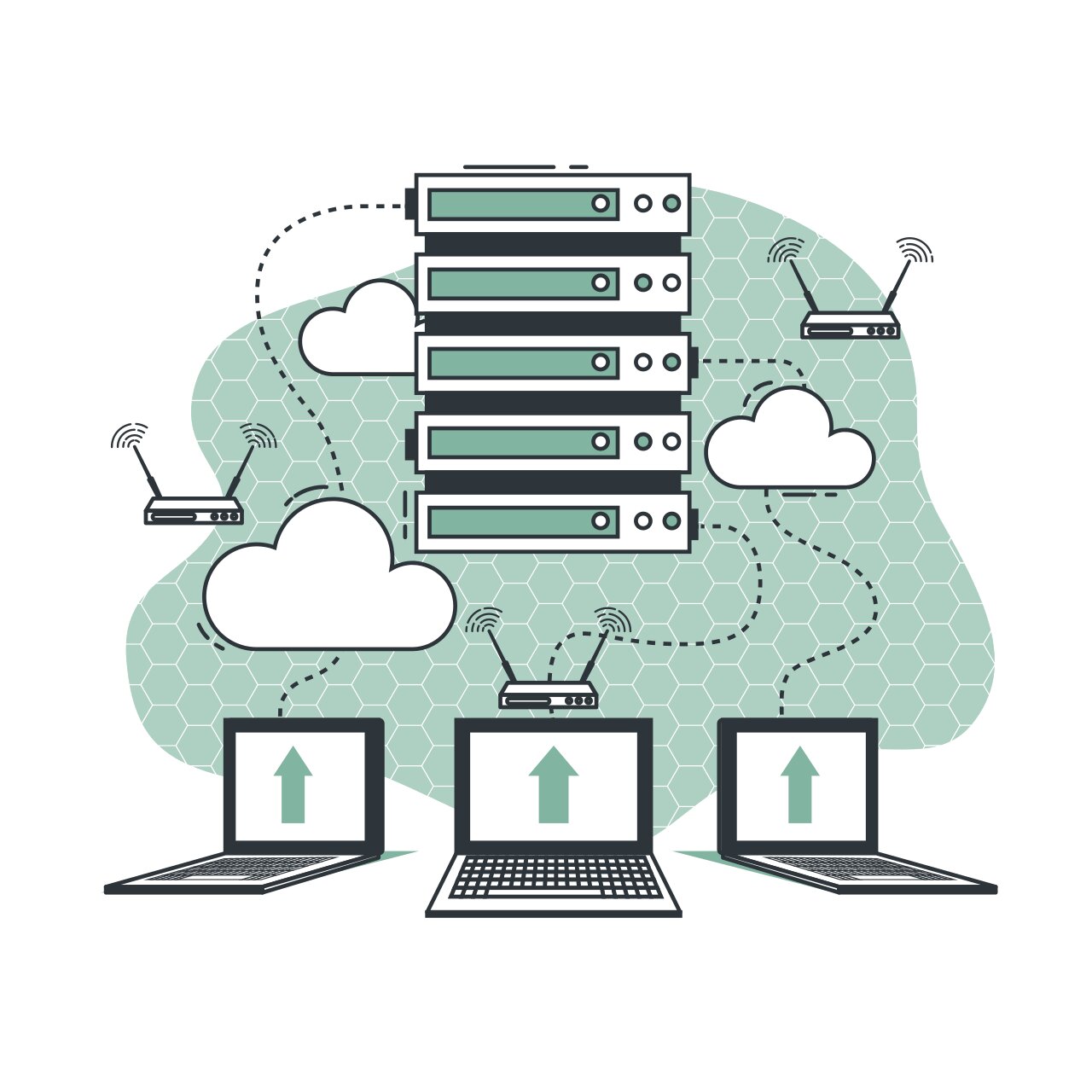
Moving from a legacy ITSM tool to ServiceNow is one of the most impactful technology decisions an IT organization can make. It is also one of the most complex. Whether you are migrating from BMC Remedy, Cherwell, Ivanti, or a homegrown ticketing system, the transition involves far more than installing new software. It requires careful planning across data, processes, people, and technology. At 4P Metric, we have guided organizations through this journey many times, and this guide captures the practical lessons that make the difference between a smooth migration and a painful one.
Assessment and Discovery
Every successful migration starts with a thorough understanding of your current state. Before you can plan where you are going, you need to document exactly what you have. This means inventorying every process, workflow, integration, report, and customization in your legacy system. Many organizations underestimate this step, assuming they know their own environment well enough to skip a formal discovery. That assumption almost always leads to surprises later.
During assessment, catalog your existing ITSM processes and map them to ITIL practices. Identify which integrations are actively used and which are legacy artifacts that can be retired. Document your current data model, including custom fields, relationships, and any data quality issues you are already aware of. Interview key stakeholders from each support group to understand their daily workflows, pain points, and requirements that the new platform must address. This discovery phase typically takes four to six weeks for a mid-sized organization, and the investment pays for itself many times over by preventing rework during implementation.
Data Migration Planning
Data migration is where many ITSM projects encounter their most significant challenges. The question is not simply how to move data from one system to another, but which data to move, how to transform it, and how to validate that the migration was successful.
Start by categorizing your data into tiers. Active incidents, open changes, and current CMDB records are typically essential and must be migrated with full fidelity. Historical ticket data from the past two to three years may be needed for trend analysis and compliance. Data older than that can often be archived rather than migrated, reducing complexity and cost. For each data category, define transformation rules that map legacy fields to ServiceNow fields, handle data type differences, and address any cleanup needed for inconsistent or duplicate records.
Plan for multiple migration rehearsals in a non-production environment. Each rehearsal will reveal issues that need to be addressed in your transformation scripts. By the time you execute the production migration, there should be no surprises. Build automated validation scripts that compare record counts, field values, and relationship integrity between source and target systems.
Process Redesign vs. Lift-and-Shift
One of the most important strategic decisions in any ITSM migration is whether to replicate your existing processes in ServiceNow or to redesign them to take advantage of the platform's native capabilities. The answer is rarely all one or the other.
A pure lift-and-shift approach is tempting because it minimizes change for your users and reduces the scope of the project. However, it also means you carry forward all the inefficiencies and workarounds from your legacy system, and you miss the opportunity to leverage ServiceNow's out-of-box best practices. On the other hand, attempting to redesign every process simultaneously with the migration creates excessive scope and risk.
The pragmatic approach is to identify a small number of high-impact processes for redesign and migrate the rest as-is, with a roadmap for future optimization. Incident management and service catalog are common candidates for redesign because they have the most direct user impact. Change management and problem management can often be migrated with minimal modification in the first phase and optimized in subsequent releases.
Change Management and Training
Technical execution is only half the migration challenge. The other half is ensuring that your people are prepared for and supportive of the change. Resistance to new tools is natural, especially among experienced staff who have built years of muscle memory with the legacy system.
Begin change management activities early, well before the technical migration. Identify champions in each support group who can advocate for the new platform and provide peer support during the transition. Develop role-based training that focuses on how each group will perform their daily tasks in ServiceNow, not just generic platform training. Conduct hands-on workshops where users can practice in a sandbox environment with realistic scenarios. After go-live, provide readily accessible support channels and quick reference guides to help users through the initial learning curve.
Phased Rollout Strategy
Attempting to migrate everything at once is a recipe for risk. A phased rollout allows you to validate your approach with a smaller scope before extending it across the organization. A common pattern is to start with incident management and the service catalog for a pilot group, then expand to additional ITSM modules and user groups in subsequent phases.
Each phase should have clearly defined success criteria, a rollback plan, and a stabilization period before the next phase begins. Use the lessons learned from each phase to refine your approach for the next. This incremental strategy takes longer than a big-bang cutover, but it dramatically reduces risk and gives your organization time to absorb the change. At 4P Metric, we help organizations design and execute phased migration plans that balance speed with stability, ensuring that each phase delivers measurable value while building momentum for the next.
Need Help With Your ServiceNow Platform?
Let our certified consultants help you unlock the full potential of the ServiceNow platform.
Contact Us